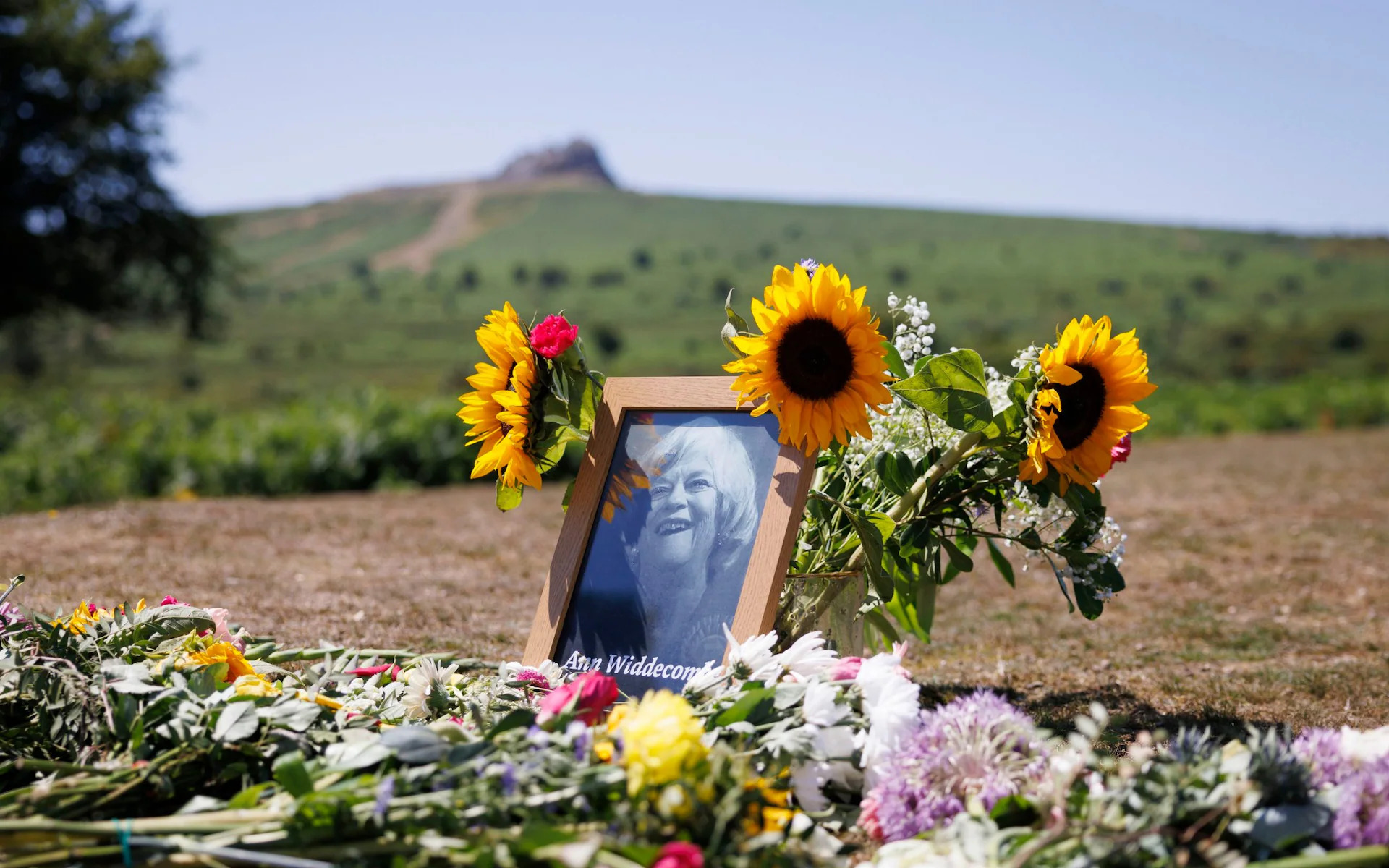
The murder of Ann Widdecombe was shocking. It is another grim reminder that political violence is a very real and present danger for politicians.
Ten years ago, Labour MP Jo Cox was murdered as she arrived to meet constituents at an MP surgery. Five years later, in 2021, Conservative MP Sir David Amess was murdered while holding a constituency surgery in Leigh-on-Sea. Now, in 2026, former Conservative minister and Reform UK politician Ann Widdecombe has been killed in what police have described as a targeted attack, with counter-terrorism officers investigating the circumstances and possible motivation.
The circumstances of each case are different and we must be cautious about drawing simplistic connections between them, particularly while the investigation into Ann Widdecombe's death continues. But collectively, they confront us with an uncomfortable question: are we doing enough to protect those who participate in our democracy?
The answer must surely be no and it is encouraging that incoming Prime Minister Andy Burnham publicly stated as such. Hopefully his words result in meaningful action soon.
An open democracy carries risks
One of the strengths of British democracy is the accessibility of its elected representatives. MPs hold constituency surgeries, attend community events, visit schools and businesses, knock on doors and meet members of the public face to face. For 99.9% of their interactions, this arrangement works well. But the other 0.01% is the worry.
There are no easy answers. At a time when trust in politics is fragile and many people already feel disconnected from those holding elected office, the last thing democracy needs is for politicians to disappear behind security barriers, or masses of security personnel.
But openness cannot mean accepting avoidable risks.
Ann Widdecombe's death, although involving a former MP rather than a serving parliamentarian, demonstrates that the risks associated with political prominence do not necessarily end when someone leaves the House of Commons. Her murder, again not yet classed as terrorism but certainly appearing to be headed in that direction, was perhaps more shocking as potentially the assailant drove four hours to her home to carry out this unthinkable crime.
Security should not depend on how seriously an individual takes a threat
Threats against politicians have become an increasingly disturbing feature of public life. MPs routinely report receiving death threats, threats of sexual violence and abuse directed at their families. Recent reporting indicates that recorded death threats against MPs increased from 31 in 2024 to 50 in 2025. I would suggest many more go unreported.
The danger is that extraordinary levels of abuse become normalised. When politicians receive hundreds or even thousands of hostile messages, identifying the person who genuinely intends to move from words to violence becomes enormously difficult, even impossible. Yet it only takes one for the type of tragedy mentioned above to play out.
There should be a consistent, professionally led system of risk assessment covering MPs and other high-profile political figures where credible threats exist. Intelligence should be shared effectively between Parliament, police forces and counter-terrorism authorities, with security measures determined by evidence and risk rather than by an individual's willingness to ask for protection.
Protecting MPs is not a privilege for politicians
There will inevitably be some who question why taxpayers should fund increased protection for politicians. The answer is simple: protecting elected representatives is about protecting democracy itself.
An attack on an MP is not only an attack on an individual. It can deprive tens of thousands of people of their elected representative. It can intimidate others from entering politics. It can make existing politicians more reluctant to meet the public. And it can send the dangerous message that violence is capable of influencing who participates in democratic life.
This matters particularly for women, people from minority backgrounds and others who can face disproportionate levels of targeted abuse. If talented people look at political life and conclude that serving their community could place themselves or their families in danger, democracy becomes weaker. I would suggest again that this is already happening.
The bottom line is this. Nobody should have to accept the possibility of murder as part of the job description for public service.
What should change?
The key question is what we do about it. The response must be proportionate and evidence-led. Not every MP requires permanent close protection, and surrounding every politician with armed officers would fundamentally alter the relationship between representatives and the public.
But there is a strong case for a more comprehensive approach. Every MP should have access to professionally assessed security arrangements for constituency surgeries and public events. Serious threats should be assessed centrally and consistently, rather than relying on fragmented local responses. Security should be capable of increasing rapidly when intelligence indicates an elevated risk. Former senior politicians and other prominent political figures facing credible threats should not fall through gaps simply because they no longer hold elected office.
I believe there should be a dedicated security force who investigate threats to public figures on a full-time basis. This should sit alongside tougher punishments for threats of violence. This would deter the more knee-jerk empty threats, hopefully leaving more time for the remaining threats, whether real or not, to be investigated.
Democracy must protect its participants
Jo Cox was 41 years old when she was murdered in 2016. Sir David Amess was 69 when he was killed five years later. In 2026, Ann Widdecombe has been murdered at the age of 78. They represented different parties, different political traditions and very different views. This issue is not a matter for left or right, it is a concern for everyone.
A healthy democracy depends upon disagreement without dehumanisation, criticism without intimidation and political competition without violence. We should not accept the murder of politicians as an occasional but unavoidable feature of democratic life. Nor should we wait for another tragedy before asking whether more could have been done.
The case for increased security is not a case for placing politicians above the public. It is a case for protecting the democratic relationship between them.
Because when violence determines who feels able to participate in politics, democracy itself is diminished.
Member discussion
Comments
No comments yet.
Log in or register to comment on this article.