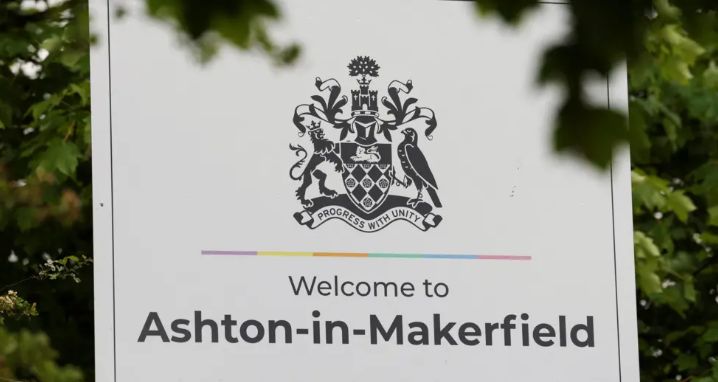
By-elections often become political theatre. Westminster turns them into national verdicts, parties throw resources into campaigns they would normally ignore, and commentators start searching for narrative, meaning and trends. The coming Makerfield by-election already feels like one of those moments.
But for the people living there, this is not just a media event. Ultimately, it is about who they want to represent them.
Many residents will be frustrated that they have been dragged into a political soap opera. Many voters simply want stable representation and an MP focused entirely on the constituency. Instead, Makerfield has become the epicentre of a much larger argument about the future of Labour, the country itself, the rise of Reform UK and the ambitions of Andy Burnham.
A local contest with national weight
Josh Simons had every right to resign, if that was what he wanted to do. MPs are not trapped in their seats forever, and politics cannot function on the basis that individuals must stay in roles they no longer wish to hold. That part is straightforward. However, like most things in politics, there is clearly more to it.
At the centre of the debate is Andy Burnham. Few people seriously believe his political ambitions end with being a constituency MP. Burnham remains one of the Labour Party's most recognisable figures outside government, and speculation about his long-term future never really disappears.
That does not make his ambition wrong. Politics has always involved politicians seeking greater influence and bigger platforms. But it does mean Makerfield risks becoming viewed less as a constituency in its own right and more as a stepping stone in a much larger story.
Reform, Labour and the pressure on Starmer
Nationally, the stakes are obvious. A Reform UK victory would send shockwaves through Westminster and place fresh pressure on Keir Starmer. Even if Labour retains the seat, the wider effect may still be instability, as the purpose of Burnham's return is almost certainly to challenge the Prime Minister.
That has led to familiar arguments about whether other parties should effectively stand aside to prevent Reform gaining ground, as many voters now see backing Reform as the clearest way to damage Labour electorally.
But democracy is supposed to involve choice, and both sides are doing it. The political left has long been fragmented across Labour, the Greens, Liberal Democrats, nationalist parties and independents. Ultimately, parties should have to win arguments rather than rely on appeals for others not to compete. If a movement or party cannot persuade enough voters to support it, that is part of democratic politics.
The burden on voters
That is what makes Makerfield interesting beyond the headlines. Voters are not only choosing a local MP. They are, in some respects, helping shape the immediate political narrative around Labour, Reform UK and the direction of politics in Britain.
Yet individual voters are unlikely to enter polling stations thinking in those grand terms alone. Most will make a simpler decision based on instinct, values, frustration, loyalty or hope. Which party best represents their view of the country? Which candidate speaks to them? Which direction feels right, and, of course, which candidate is best placed to block the candidate or party they do not want to win?
Following polling day, local people will simply want to know who their MP is and whether they will effectively represent them on the issues constituents raise. When the dust settles, that remains the core of democracy, even as the national political drama plays out.
One thing is clear for Makerfield and beyond: the dust is unlikely to settle any time soon.
Member discussion
Comments
No comments yet.
Log in or register to comment on this article.